
Blog
2026 U.S. Housing Market Forecast: Stable Mortgage Rates, Slower Price Growth and Stubborn Costs
7 min read
November 30th, 2025
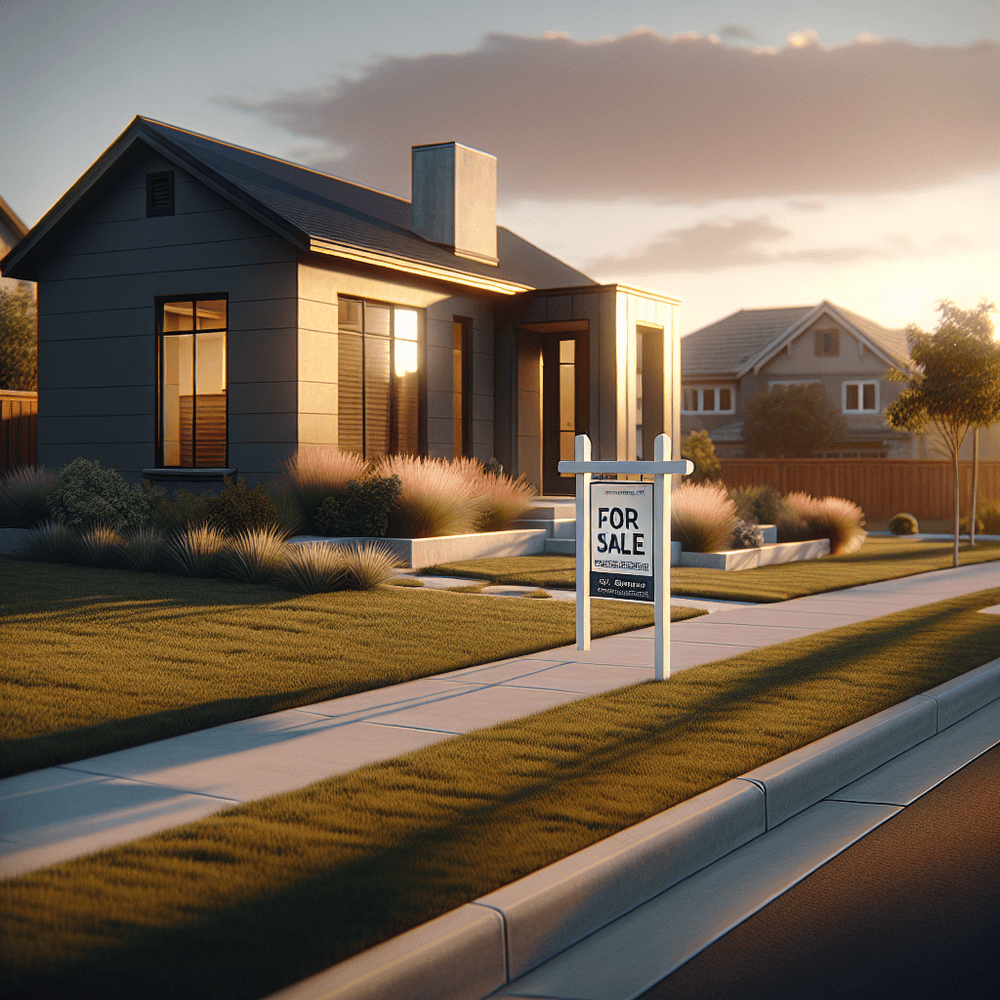
A 2026 housing market that’s calmer—but not cheap
After several years of whiplash in mortgage rates and home prices, many early forecasts suggest the U.S. housing market in 2026 will look more stable, even if it remains expensive. A key theme across outlooks is that borrowing costs settle into a narrower band while home prices keep rising at a slower, more historically normal pace.
A recent explainer on the 2026 housing landscape summarizes the big picture this way: mortgage rates may no longer be the main shock to the system, but other costs of ownership are likely to keep climbing, which means affordability challenges will not disappear.[kfor.com]
What forecasters see for mortgage rates in 2026
One detailed review of mortgage rate predictions for 2026 notes that major forecasters tend to cluster in a corridor of roughly 5.9% to 6.5% for the average 30‑year fixed rate.[noradarealestate.com] That range is well above the sub‑3% loans written in 2020 and 2021, but meaningfully below the peaks that froze many buyers out of the market.
Why the narrower range? Several factors play a role:
- Inflation expectations are assumed to be closer to long‑run targets than during the post‑pandemic spike.
- Forecasters expect less volatility in long‑term Treasury yields, which heavily influence mortgage pricing.
- The mortgage market has largely repriced to a world where extremely low rates are the exception, not the norm.
For households, mid‑6% rates mean monthly payments will still feel heavy, especially in high‑cost markets. But relative to recent highs, a decline of even half a percentage point can restore some buying power and help more transactions pencil out.
Home prices: slower gains instead of a crash
On the price side, housing analysts looking toward 2026 generally do not call for a broad national decline. Instead, they anticipate slower but positive home price growth as the market works through years of undersupply and high demand.[noradarealestate.com]
A 2026 trends piece aimed at buyers and investors highlights that price growth is likely to cool into the low‑ to mid‑single‑digit range annually, rather than the double‑digit spikes many markets saw in 2021.[kfor.com] That would still push prices to new highs, but at a more sustainable pace.
Several structural factors explain the resilience in pricing:
- New construction has lagged household formation for much of the last decade.
- Many owners with very low mortgage rates have been reluctant to sell, constraining resale inventory.
- Demographic demand from young households continues to support entry‑level and mid‑priced segments.
This doesn’t mean every metro will behave the same way. Markets that experienced extreme pandemic‑era run‑ups, or that are heavily exposed to higher insurance and tax burdens, could see flatter prices or pockets of decline. But on a national basis, a gradual upward drift in prices remains the base case.
Sales volumes and inventory: a gradual comeback
The most optimistic part of the 2026 story is on sales volumes. An in‑depth forecast built around National Association of Realtors data argues that lower and more predictable mortgage rates should unlock some of the "rate‑lock" that has kept existing‑home listings scarce.[noradarealestate.com]
As the gap between today’s prevailing rates and owners’ existing loan coupons narrows, more households may be willing to list their homes to upsize, downsize or relocate. That, in turn, can:
- Boost existing‑home sales from the unusually depressed levels seen when rates first spiked.
- Give buyers a bit more choice after years of extremely tight inventory.
- Reduce the intense bidding wars that defined some markets in 2021–2022.
Builders may also play a larger role in 2026. With resale inventory constrained, several forecasts expect new‑home sales to remain an outsize share of total transactions as builders continue to offer incentives and rate buydowns to attract buyers.[kfor.com]
The net result is a market that is still competitive—especially at affordable price points—but less frenetic than in the recent past.
The wild card: non‑mortgage ownership costs
Where most forecasts sound a note of caution is on costs beyond the mortgage payment. A 2026 housing outlook shared through a major news affiliate underscores that insurance premiums, property taxes, utilities and maintenance costs have been rising faster than overall inflation in many regions, and are expected to continue doing so.[gobankingrates.com]
The article highlights several pressures on total housing costs:
- Rising homeowners insurance rates in areas affected by severe weather and natural‑disaster risk
- Higher local property tax assessments following rapid home‑value increases
- HOA dues climbing as associations confront higher labor, materials and insurance costs
- Ongoing increases in repair and maintenance expenses tied to labor and materials
Even if mortgage rates drift down modestly, these other line items can offset much of the savings for many households. For buyers, that means budgeting on an "all‑in" basis—principal, interest, taxes, insurance, HOA dues and realistic maintenance—rather than focusing only on the advertised mortgage rate.
What buyers, sellers and investors can do before 2026
For prospective buyers, a 2026 market with mid‑6% rates and slower price growth favors preparation over market‑timing:
- **Know your payment comfort zone.** Model your monthly budget at different rate and price combinations, including taxes and insurance.
- **Stay flexible on location and features.** Some submarkets may offer better value as remote and hybrid work patterns evolve.[kfor.com]
- **Consider new construction.** Builders sometimes provide rate buydowns or closing‑cost credits that improve affordability compared with similar resale homes.
For sellers, a more balanced 2026 environment calls for realistic pricing and attention to presentation:
- Pricing slightly ahead of the market may lead to longer days on market if buyers have more options.
- Well‑maintained homes with energy‑efficient improvements may stand out as buyers factor in utility and maintenance costs.
Real estate investors, meanwhile, will need to underwrite deals with higher ongoing expenses in mind. Cash‑flow projections should include generous allowances for insurance, taxes, repairs and potential vacancies. Returns are more likely to come from steady rent growth and disciplined leverage than from rapid appreciation.
Bottom line: stability with a high price tag
The emerging 2026 housing narrative is one of relative calm compared with the roller coaster of recent years. Mortgage rates are expected to settle into a tighter band, home prices look likely to grow at a slower pace, and sales volumes may finally recover some ground as more owners feel comfortable listing.
But stability is not the same as affordability. With home values near record highs and non‑mortgage costs still rising, many households will continue to stretch to become or remain homeowners. The winners in this environment will be those who plan around total housing costs, maintain financial flexibility and approach the market with a long‑term view.
Comments