
Blog
From Heat Waves To Habitability: How Cities Are Tightening Cooling Rules And Rental Inspections
7 min read
December 11th, 2025
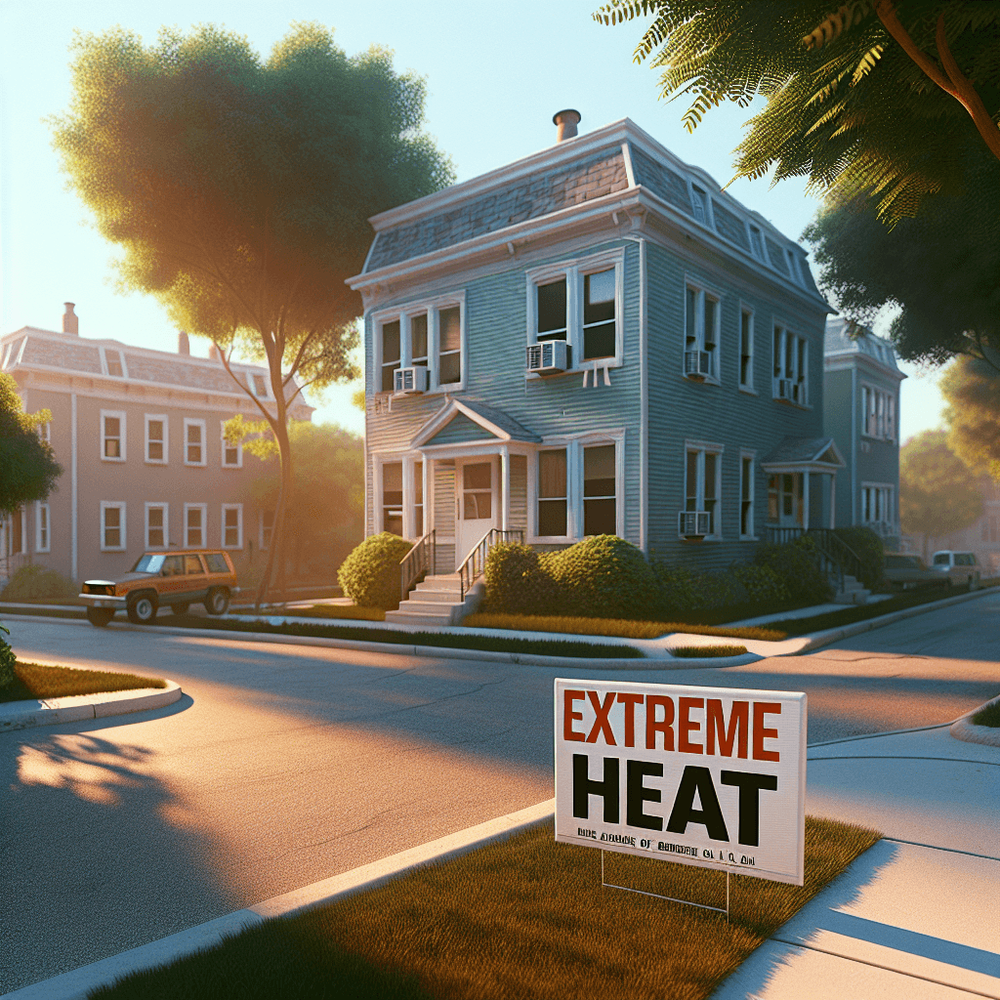
Why heat and health are reshaping rental codes
Cities are starting to treat safe indoor temperatures and basic maintenance as core parts of habitability, not extras. That shift is especially visible in hotter metros, where extreme heat is now one of the main weather-related causes of death, and in older housing markets where long-deferred repairs have become a public health issue.[laist.com]
Public health agencies increasingly frame rental safety in terms of respiratory health, heat illness and injury risk inside the home. That framing is driving new standards that go beyond having heat, hot water and intact roofs to include indoor temperature limits, pest control, moisture and mold, and regular inspections.
LA County and city: 82°F as a new habitability line
Los Angeles County has adopted one of the country’s clearer temperature-based protections. In unincorporated areas of the county, landlords will be required to keep indoor temperatures in rental units at or below 82°F.[laist.com] The rule responds to rising heat-related deaths and hospitalizations and recognizes that renters often lack the power or wiring to add their own cooling.
Thirty days after the county’s vote, renters gain protections against retaliation for installing their own cooling devices. Formal enforcement of the 82°F cap begins Jan. 1, 2027, through inspections and complaint response under the county’s Rental Housing Habitability Program.[publichealth.lacounty.gov] Landlords that need building retrofits get a two-year grace period, with a longer transition—until 2032—for small owners who can initially cool only one habitable room per unit.[laist.com]
LA city is moving in the same direction. A proposed measure would require landlords to keep rental units from exceeding 82°F during summer months, likely by adding cooling equipment or other weatherization measures where existing construction can’t meet the standard.[abc7.com] At the same time, the city has updated its rent stabilization rules for the first time in four decades, generally lowering the maximum annual rent increases for covered apartments to the low single digits.[laist.com]
The combined effect is that LA-area landlords face tighter limits on both rent growth and how hot units can get, with clear timelines for compliance and enforcement.
Inspections and registration: Detroit and Parkersburg raise the bar
Beyond heat, many cities are tightening day-to-day habitability through inspections and registration.
Detroit has overhauled its rental ordinance and is rolling out a pilot phase to encourage landlords to get ahead of new inspection requirements.[detroitmi.gov] The city is asking owners to obtain updated certificates of compliance that verify basic safety and quality, including working utilities, sound structures, and free-of-hazard conditions. Officials frame the ordinance as both a tenant protection and a way to simplify the inspection process for compliant landlords.
In Parkersburg, West Virginia, the city council has advanced an ordinance that would require all rental property owners to register and inspect their units, with a 9–0 vote on first reading in December 2025.[wtap.com] The proposal funds enforcement with a modest $25 annual business license fee and would bring every rental—rather than only complaint-driven cases—into a regular inspection cycle.[wtap.com]
For landlords in these markets, passing inspection becomes a prerequisite to legally operating rentals, not something triggered only by serious complaints.
Enforcement, costs and risk for landlords and investors
Tighter cooling rules and inspection regimes change the math for owning rentals.
On the capital side, landlords in hotter regions may need to invest in air-conditioning units, upgraded electrical panels, better insulation, reflective roofing or window upgrades to keep units below set temperature caps.[laist.com][abc7.com] In older housing stock, especially in cities like Detroit with many prewar or midcentury homes, bringing buildings up to current code can mean significant work on wiring, plumbing, steps, handrails and egress.[detroitmi.gov]
Operating costs also shift. Annual business license fees, registration charges and recurring inspections become part of the fixed expense line, much like property taxes or insurance. In Parkersburg, the proposed $25 annual fee is intentionally low, but it signals that inspection programs will be ongoing and funded.[wtap.com] In Detroit, landlords that fail to obtain or maintain a certificate of compliance can face fines or loss of the ability to legally collect rent.[detroitmi.gov]
For lenders and investors, these rules add clarity to risk. Properties that already meet or exceed standards may become more attractive, while under-maintained buildings face higher capex and potential enforcement actions. Underwriting in hot or aging markets will increasingly need to account for the cost of compliance over a multiyear horizon, not just current operating expenses.
What renters and landlords should watch next
For renters, the main takeaway is that local housing codes are evolving toward more explicit, health-based definitions of habitability. That may mean new rights related to indoor temperature, mold, pests or structural safety, plus clearer complaint pathways through local habitability or inspection programs.[laist.com][publichealth.lacounty.gov]
Landlords should closely track local ordinances and timelines. In LA County, the key dates are the 30‑day window when retaliation protections take effect and Jan. 1, 2027, when active enforcement of the 82°F standard begins.[laist.com] In Detroit, the rental ordinance’s pilot phase is a chance to understand inspection expectations before full enforcement kicks in.[detroitmi.gov] In Parkersburg, the second reading of the inspection ordinance and any implementation guidance will clarify how quickly owners must register and schedule inspections.[wtap.com]
Over the next few years, other hot-weather or older-housing cities may adopt similar rules. For investors, that argues for more conservative pro formas, with line items for cooling upgrades and recurring inspections, and for favoring properties that can already meet emerging health- and heat-based standards with relatively modest work.
Comments