
Blog
How Rental Inspection Mandates and Registries Are Reshaping U.S. Landlord–Tenant Rules
8 min read
December 31st, 2025
A quiet but consequential shift in rental oversight
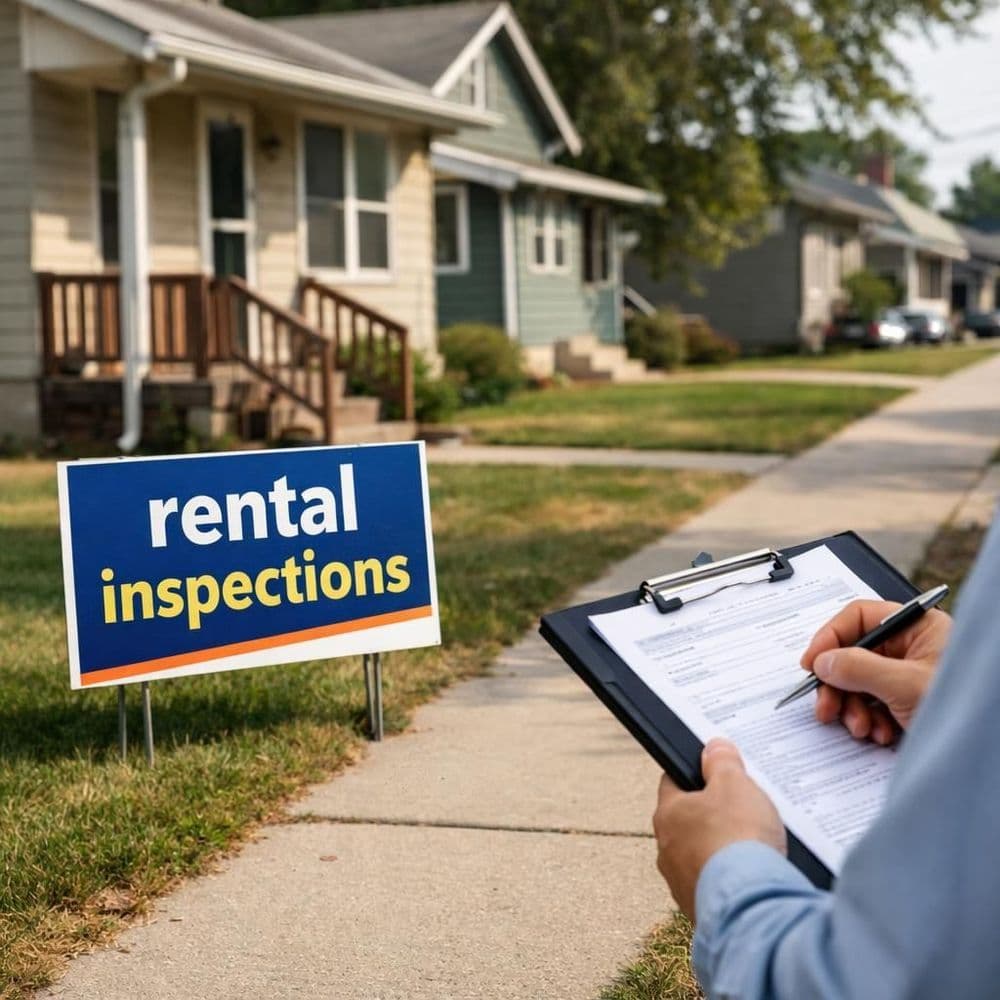
Across the country, more local governments are moving from complaint-driven code enforcement to proactive rental inspection and registry systems. Officials argue that too many renters are living in unsafe or poorly maintained homes, while landlords worry about inspection costs, fines, and the risk of overreach.
At the same time, courts are being asked to draw lines around what cities can require when it comes to entering occupied rental units and compelling owners to register their properties. The result is a patchwork of local rules—sometimes even from one neighboring suburb to another—that landlords and renters must navigate.
Why rental inspections and registries are spreading now
Several recent stories highlight why cities are embracing more structured rental oversight. In many communities, long-standing neglect has left tenants dealing with broken windows, water damage, pests, and other health and safety issues that aren’t always reported or fixed promptly. In Kennett, Missouri, for example, local leaders describe a push to "clean up" rentals after years of limited enforcement, with residents recounting living with broken windows and lingering problems that predated their leases.[kfvs12.com]
Other cities see registries and inspections as tools to better track distant or investor landlords. In Fishers, Indiana, a proposed measure would create a landlord registry and cap the share of homes in certain neighborhoods that can be rented, with supporters saying it will help manage neighborhood stability and hold owners to clear standards.[wfyi.org] Carmel, a nearby suburb, has taken similar steps to limit the number of rentals in certain areas, prompting debate over how much control local governments should have over tenure mix.[wfyi.org]
City case studies: How new programs work on the ground
Detroit offers one of the most visible examples of a large city overhauling its rental inspection process. A new ordinance, adopted in late 2024 and now in a pilot phase, restructures how the city inspects rentals and aims to improve safety and quality.[detroitmi.gov] City communications encourage landlords in designated pilot areas to get ahead of the curve by scheduling inspections early, with the long-term aim of more consistent compliance and clearer timelines for bringing units up to code.[detroitmi.gov]
Elsewhere in the Midwest, smaller cities are pairing new standards with fees and inventory tools. Cape Coral, Florida, has approved annual fees starting in 2026: long-term rentals with leases of six months or more will pay a $35 yearly fee, while short-term rentals owe a higher amount, coupled with registration requirements and stepped-up enforcement.[gulfcoastnewsnow.com] Sauk Rapids, Minnesota, recently passed a strengthened ordinance limiting the number of rental properties in the city, giving local leaders more leverage over how many homes convert from owner-occupied to rental status.[knsiradio.com]
Some cities are focusing more on data and transparency than on new physical inspections. Syracuse, New York, has launched an online tool that lets residents search rental properties to see if they’re properly registered, whether inspections are current, and if there are known code issues.[statescoop.com] The goal is to give renters, neighbors, and advocates a fast way to check on a property’s status and encourage voluntary compliance before problems escalate.[statescoop.com]
Other local governments are trying to make better use of existing units. St. Louis has rolled out a landlord inventory survey aimed at tornado-impacted residents, inviting owners to list vacant units so the city can match households that lost housing with available rentals more quickly.[stlouis-mo.gov] While not a traditional inspection program, it relies on owners accurately reporting unit conditions and availability so displaced renters can be placed in safe housing.[stlouis-mo.gov]
Legal friction: When inspections meet the courthouse
As these local programs proliferate, courts are confronting questions about how far inspection and registry rules can go. In Ohio, the state’s high court has agreed to review a case out of North Canton, where a property owner is challenging a warrant obtained by the city to inspect a six-unit rental building.[courtnewsohio.gov] The owner contends that the city’s approach to administrative warrants for routine rental inspections goes too far, raising questions about the balance between habitability enforcement and property rights.
On the West Coast, a pilot inspection program in Isla Vista, California has already landed in court. A group of landlords sued Santa Barbara County to stop the rental inspection initiative, arguing that mandatory inspections and related requirements overstep legal bounds and impose unfair burdens on owners.[independent.com][noozhawk.com] While a judge allowed inspections to move forward by denying a request for a preliminary injunction, the underlying lawsuit underscores how contentious these policies can become.[noozhawk.com]
Legal tension isn’t limited to direct inspection mandates. In Indiana suburbs like Fishers and Carmel, property owners and real estate groups have voiced concern that capping rentals and building registries could effectively restrict normal investment and reduce flexibility for owners, even if such rules are framed as neighborhood-stability tools.[wfyi.org][wfyi.org] How courts interpret these types of caps and registry provisions in the future could shape how far other cities are willing to go.
Policy debates over conditions and accountability
In some cities, public hearings and new committees are bringing landlord accountability into sharper focus. In Philadelphia, a recent council hearing dug into rental housing conditions, with testimony about mold, pests, maintenance delays, and the difficulties tenants face getting repairs addressed in older housing stock.[phlcouncil.com] The hearing highlighted calls for stronger enforcement of existing codes, better data on problem properties, and more support for renters navigating unsafe conditions.[phlcouncil.com]
Athens, Ohio, has created a housing committee with a specific focus on rental code enforcement and landlord accountability, recognizing that a large share of residents live in rentals and some are "living in the margins" in substandard units.[woub.org] The committee’s work centers on improving inspections, clarifying responsibilities, and exploring ways to ensure that chronic problem properties are identified and brought into compliance.[woub.org]
These efforts reflect a broader shift: rather than relying mainly on individual complaints, more cities want systems that proactively surface habitability problems and make it harder for neglectful owners to remain under the radar.
How changing rules affect landlords and renters
For landlords, expanded inspection and registry programs mean new operational realities. Owners must track registration deadlines, schedule inspections, and budget for potential repairs tied to code violations. In places like Detroit, falling behind on inspections can eventually lead to fines or limits on the ability to legally collect rent or renew leases, which raises the stakes for staying compliant.[detroitmi.gov]
Smaller investors may feel the impact most acutely. Annual fees, caps on the number of rental properties, or requirements to register each unit can add up, particularly in markets where margins are already thin. Landlords in Isla Vista and the Indiana suburbs have voiced concern that new layers of oversight could discourage investment or push them to sell, especially if rules are perceived as unclear or constantly changing.[independent.com][noozhawk.com][wfyi.org][wfyi.org]
For renters, these programs can bring tangible benefits. Proactive inspections help surface issues that tenants may be hesitant to report for fear of retaliation. Stories like that of a Detroit tenant who faced a non-renewal after asserting her rights and raising repair concerns show how fragile renter stability can be when habitability disputes escalate.[outliermedia.org] Stronger inspection regimes, clear anti-retaliation protections, and accessible tools to check a property’s status—like Syracuse’s online portal—can give renters more leverage to demand safe housing.[statescoop.com][outliermedia.org]
However, there is also a risk that higher compliance costs and limits on rentals could reduce supply or contribute to higher rents, especially in tight markets. Policymakers face the challenge of designing inspection and registry systems that raise standards without unintentionally squeezing out responsible small landlords.
What to watch—and how to prepare
For landlords, the first step is to understand your local rules. Key questions include: Is there a rental registry, and how often does it need to be renewed? Are inspections scheduled on a routine cycle or triggered by complaints and turnovers? What are the timelines and penalties for fixing violations?
Owners should also build inspection compliance into their capital planning. That means setting aside reserves for health and safety repairs, tracking code notices carefully, and using property management systems that can store inspection records, photos, and communication logs. In cities piloting new ordinances, like Detroit, staying ahead of deadlines and participating in early phases can reduce friction and help shape implementation.[detroitmi.gov]
Renters, for their part, can benefit from learning how to look up a property’s status where tools exist, as in Syracuse, and by documenting repair requests in writing. Local hearings, housing committees, and tenant-focused news coverage often provide clues about whether stricter enforcement is coming—and what protections or assistance programs might accompany it.[woub.org][phlcouncil.com]
As more cities experiment with different mixes of inspections, registries, and rental caps, the legal landscape will continue to evolve. Court decisions in places like Ohio and outcomes of lawsuits in California will influence how aggressive future inspection mandates can be. In the meantime, both landlords and renters should plan for a world where habitability standards are not just on the books, but actively enforced.
Comments