
Blog
Algorithmic Rent-Setting Is Under Pressure: What New Settlements and State Bans Mean
6 min read
January 19th, 2026
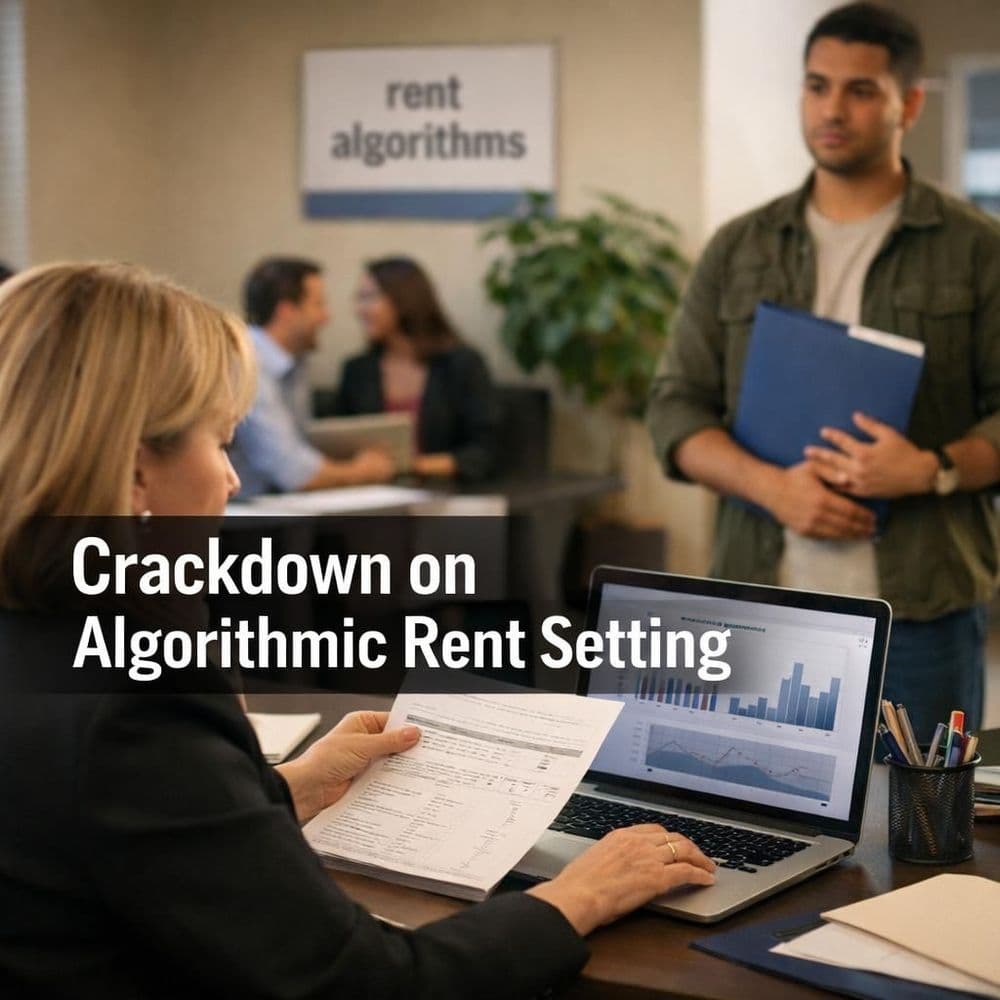
What’s changing — and why it matters
Across U.S. multifamily markets, regulators and courts are increasingly scrutinizing rent-setting software that aggregates landlord data and generates price recommendations. The core concern is not ‘using analytics’ in general, but whether a tool relies on nonpublic, competitively sensitive information shared among competitors and then steers pricing behavior in ways that reduce independent decision-making. [propublica.org]
Recent developments show two parallel tracks:
- **Settlements that restrict software design and data flows** — especially the use of nonpublic competitor submissions and features that can discourage rent decreases or align pricing. [justice.gov][propublica.org]
- **State-level prohibitions** that go further by limiting or banning landlords’ use of certain algorithmic devices for setting rents, especially when tied to private data. [citylimits.org][nysenate.gov]
The new compliance baseline for rent tech
The practical direction of travel is clear: tools that look like a coordination hub for competitors are being pushed to change. In the RealPage matter, the proposed settlement framework emphasizes ending the sharing of competitively sensitive information and removing or redesigning features that can restrict rent decreases or align pricing among competitors. [justice.gov][propublica.org]
Separately, some large operators have agreed to stop using specific rent-pricing products as part of broader enforcement pressure and settlements. In California-related actions described in local reporting, a major landlord agreed to cease using RealPage’s algorithmic pricing software as part of a settlement and to pay a multi-state penalty pool. [latimes.com]
At a minimum, operators should assume they will need to show that:
- Pricing decisions are made independently
- Inputs are not built on nonpublic competitor data
- Software settings do not ‘hard-wire’ price alignment or prevent rent cuts
What landlords and investors should watch next
**1) A patchwork of rules.** Different jurisdictions are experimenting with different levels of restriction — from disclosure and feature limits to broader bans on certain uses. New York’s approach targets the use of algorithmic devices in rent-setting when tied to private information and frames violations as a consumer protection issue. [citylimits.org][theverge.com]
**2) Operational changes inside leasing and revenue teams.** If a portfolio relied heavily on automated price recommendations, the near-term work is process: documenting overrides, validating inputs, and building a compliance narrative that pricing is not coordinated.
**3) Ongoing litigation and enforcement.** Even where a settlement is proposed, parallel actions (including state participation and private lawsuits) can continue to shape what ‘acceptable’ revenue management looks like over time. [propublica.org]
Bottom line: algorithmic pricing isn’t going away — but the acceptable inputs, product features, and compliance posture are changing quickly, and multifamily operators should plan as if the bar will keep rising into 2026.
Comments