
Blog
What’s in the 21st Century ROAD to Housing Act — and why the pause matters for buyers and renters
7 min read
June 25th, 2026
Why this bill matters (and why timing is everything)
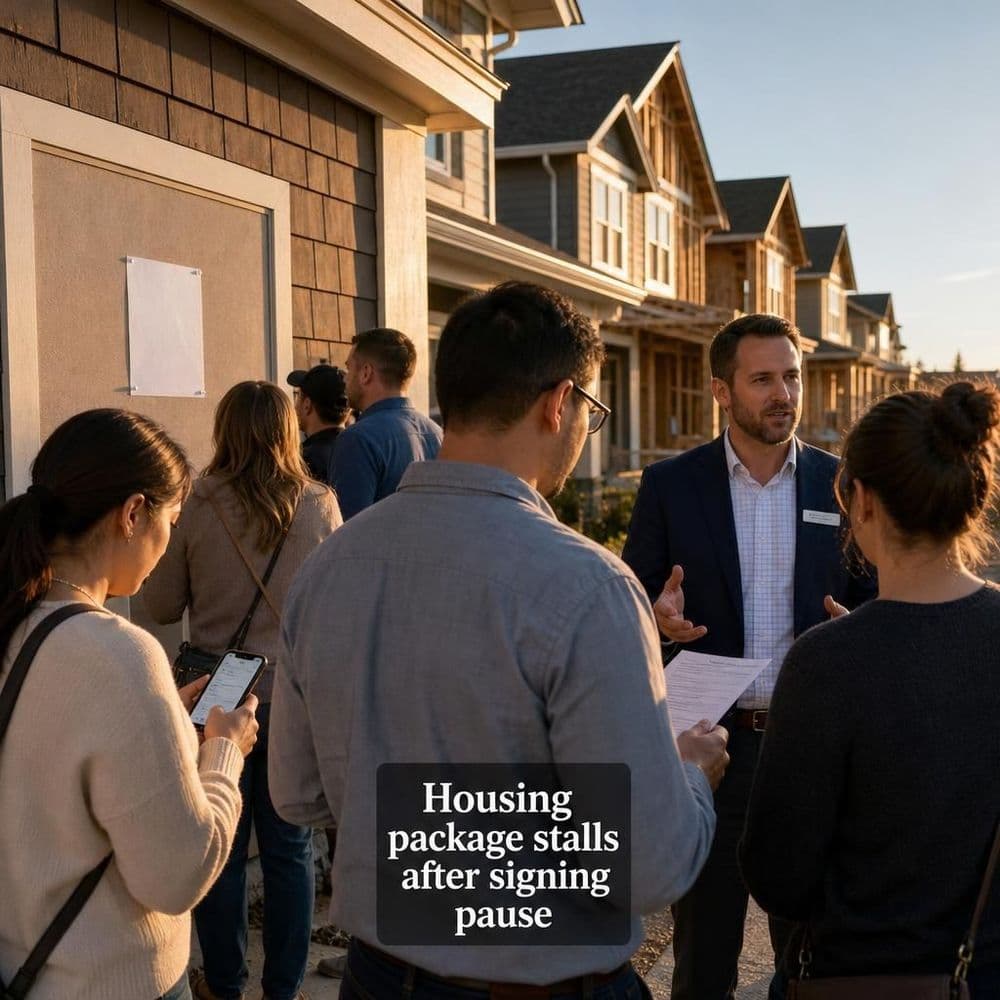
The 21st Century ROAD to Housing Act is one of the largest federal housing packages to clear Congress in decades, but it’s currently stalled after the White House declined to sign it. That pause matters because many of the bill’s potential benefits are time-dependent: grants need to be awarded, pilot programs need to be set up, and agencies and local governments need guidance before real-world construction or financing changes show up. [cbsnews.com][#3]
Housing affordability is ultimately a math problem of supply and demand. Most credible analysts agree the U.S. has been underbuilding for years, so the bill’s emphasis is not on an immediate price cut — it’s on creating conditions for more units to be produced (and produced faster) over the next several years. [cbsnews.com]
Supply first: the core strategy
A consistent theme across the package is reducing process friction in the housing production pipeline. The Bipartisan Policy Center’s section-by-section brief highlights multiple provisions that push HUD and other agencies to publish best-practice frameworks for zoning and land-use policy, and to remove certain procedural barriers that can slow infill and multifamily development. [bipartisanpolicy.org]
The bill also tries to create clearer pathways for localities to support housing production through incentives and standardized approaches, including competitive programs tied to increasing supply. [bipartisanpolicy.org][cbsnews.com]
Investor limits: what the 350-home cap does (and doesn’t)
One of the headline provisions would restrict the future growth of large institutional investors in existing single-family homes. As covered by CBS News and Axios, the final version focuses on preventing additional purchases that would take an institutional investor above a threshold (350 homes), while allowing firms to keep the properties they already own. [cbsnews.com][axios.com]
This distinction is important for expectations. Because it does not force a sell-off of existing portfolios, it’s not designed to flood the resale market with homes in the short run. Instead, it’s aimed at changing the trajectory of who competes for existing homes going forward — especially in metro areas where investor ownership is more concentrated. [cbsnews.com]
Targeted affordability tools
Beyond the supply and investor headlines, several provisions target smaller but meaningful constraints:
- **FHA small-dollar mortgage access:** The BPC brief notes a pilot framework that would expand access to FHA-backed mortgages under $100,000. In many lower-cost markets — or for smaller homes — financing barriers can be as binding as home prices. [bipartisanpolicy.org]
- **Commercial-to-residential conversions:** CBS News reports the bill would create a pilot to help local governments convert vacant commercial buildings into affordable housing, which could matter in downtowns with persistent vacancy. [cbsnews.com]
- **Manufactured and factory-built housing:** CBS News also describes provisions intended to unlock more federal support for factory-built homes and reduce certain construction constraints, a potential lever for lower-cost production. [cbsnews.com]
What to watch next
For buyers and renters, the key question is not only “what’s in the bill,” but “when would it actually change outcomes?” If the bill advances, watch for (1) agency guidance and rulemaking timelines, (2) the launch dates for pilots and competitive grants, and (3) which states and localities are positioned to use the incentives quickly. [bipartisanpolicy.org][cbsnews.com]
In the meantime, it’s best to treat the ROAD Act as a medium-term supply and financing package — not a near-term fix for today’s mortgage rates or this month’s rent increases.
Comments