
Blog
How Local Incentives Are Pulling Landlords Into Rental Code Compliance
7 min read
December 16th, 2025
Why cities are rethinking rental code enforcement
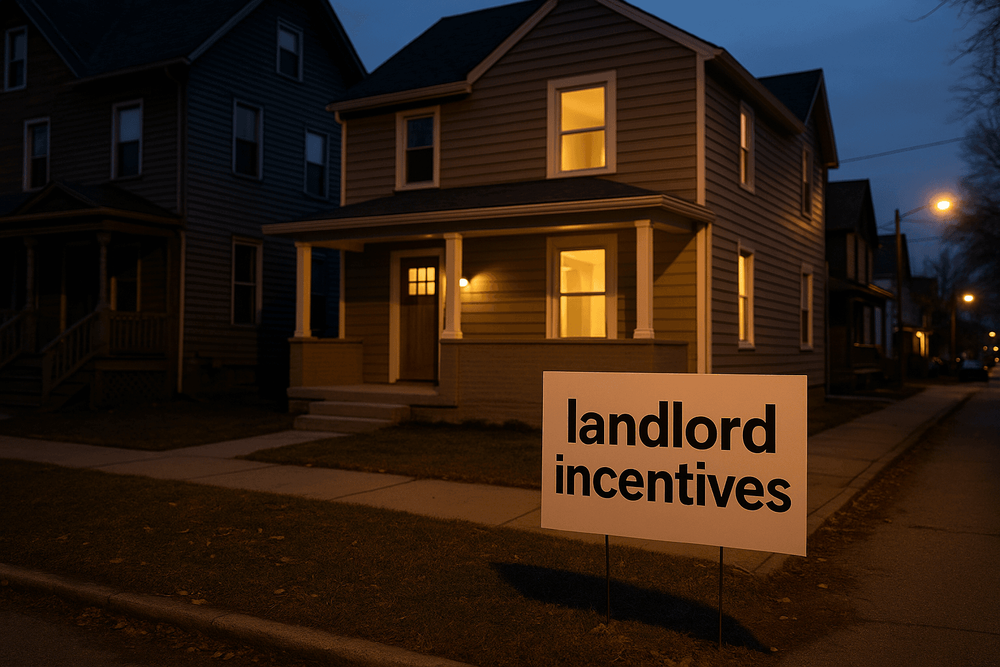
Local housing officials are under pressure to improve rental conditions without shrinking already tight housing supply. After years of relying heavily on fines and threats, many are experimenting with a more balanced mix of enforcement plus incentives aimed at keeping units online. [#3][#4]
In college towns and small cities alike, staff constraints and aging housing stock make it hard to inspect every unit regularly. Athens, Ohio, for example, has roughly 5,825 registered rentals and only four code inspectors; in a recent year, just 73% of units were inspected, leaving about one in four tenants in homes that might not meet code. [#4]
At the same time, some communities report extreme cases—collapsed ceilings, unsealed windows and vermin infestations—that highlight the limits of complaint-driven systems. Advocates argue that, without stronger tools and resources, unsafe units will continue to slip through the cracks. [#4][#5]
The new toolkit: grants, bonuses and disaster-repair funds
One emerging strategy is to direct grant dollars and disaster recovery funds specifically toward small rental properties. State-level initiatives in hard-hit regions are beginning to prioritize duplexes and small multifamily buildings for repair or replacement, with the goal of getting tenants back into homes quickly and preventing a permanent loss of naturally affordable units. [wcnc.com]
In parallel, some counties are creating rapid rehousing programs that pair rental assistance for tenants with financial incentives for landlords. Sonoma Valley’s first Rapid Rehousing Program, for example, offers time-limited rent support plus bonuses for owners who lease to people experiencing homelessness, helping cover the perceived risk and upfront costs of taking on higher-need tenants. [#1]
Larger cities are layering incentives on top of code enforcement. In Detroit, a new rental ordinance pilot encourages landlords to get inspections done and make necessary upgrades, backed by a separate program that can provide substantial per-unit repair funding when work is tied to bringing properties into compliance. [#2][#6]
Stricter rules, more transparency—and their side effects
In some places, the emphasis still leans toward stricter rules. Kennett, Missouri, recently adopted an ordinance requiring rentals to pass inspection before licenses are issued; failure to meet standards can ultimately lead to utility shutoffs. The policy is already prompting some landlords to address long-deferred repairs, but it also raises fears that tenants in the worst units could be forced out if owners cannot or will not fix problems quickly. [#3]
Athens, Ohio, is testing a different lever: a dedicated housing committee focused on closing inspection gaps and holding chronic violators accountable. With about 75% of its housing stock in rentals—far above the national average—Athens is exploring how to reach 100% annual inspections despite staff and budget constraints. [#4]
Some larger cities are scrutinizing the broader system. A recent hearing in Philadelphia examined rental housing conditions, code enforcement, and landlord accountability citywide, highlighting concerns about substandard units and delays in getting repairs done. While the session focused on oversight more than incentives, it fits into the same trend: local governments are reassessing how well their enforcement frameworks are actually protecting renters. [#5]
Transparency tools are part of the new approach. Syracuse, New York, launched an online portal that lets residents check the status of rental properties—whether a unit is registered, licensed, and in good standing with local codes. The platform is designed to give tenants and neighbors clearer information and to put public pressure on owners who chronically ignore violations. [#7]
What this means for tenants and small landlords
For tenants, the upside of these efforts is more systematic attention to safety: clearer standards, more frequent inspections, and, in some cases, better-funded repairs. Rapid rehousing incentives can open doors in tighter markets, especially for households exiting shelters or temporary hotel placements. [#1][#5]
But there are real risks. When enforcement tightens faster than repair funding and landlord support, the most distressed units—which are often the cheapest—may go offline. Kennett’s ordinance shows how quickly license revocations and utility shutoffs can ripple down to renters who have few alternatives and limited savings to move. [#3]
For small landlords, the takeaway is that compliance is becoming both more visible and more financially structured. Between public inspection databases, stricter licensing rules, and incentive programs tied to repairs, cities are rewarding owners who document upgrades and keep properties in good standing, while raising the stakes for those who do not. [#2][#7]
Investors underwriting new acquisitions should budget not just for catching up on deferred maintenance but also for meeting evolving local standards. Where grants, forgivable loans, or per-door bonuses are available, they can meaningfully change the math on a rehab—especially for small buildings in older neighborhoods. Understanding the local mix of carrots and sticks will increasingly be part of any serious rental investment strategy.
Comments