
Blog
Mortgage Rates Above 7% Are Back—And Cities Are Turning to Local Fixes for Homeownership
7 min read
September 27th, 2026
Why the affordability math tightened again
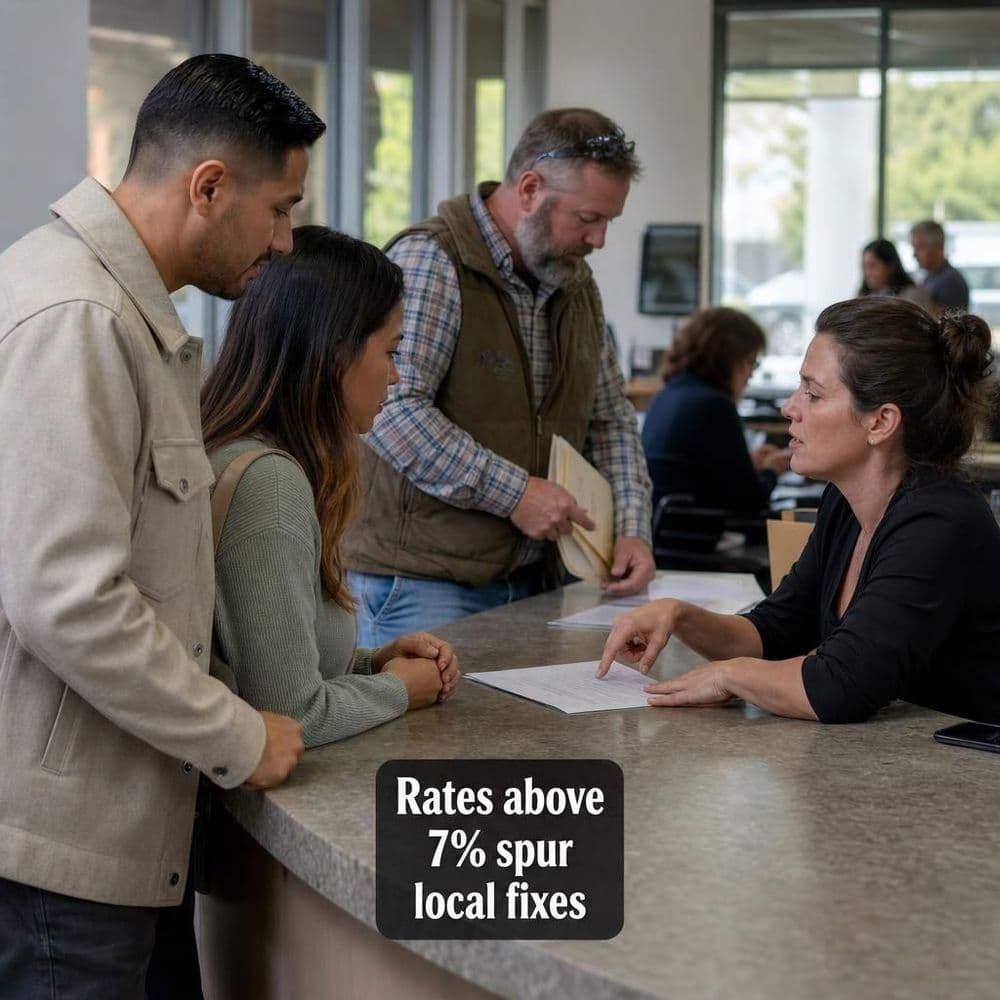
When mortgage rates move above 7%, affordability shifts quickly because the monthly payment rises even if the home price doesn’t. That pushes more households to the sidelines, forces downsizing, or increases demand for programs that effectively reduce the purchase price or payment. Freddie Mac’s weekly Primary Mortgage Market Survey (PMMS) showed the 30-year fixed-rate mortgage averaging 7.03% for the week ending 2026-09-24. [freddiemac.com]
Southern Nevada: when land limits become an affordability ceiling
In Southern Nevada, local reporting pegged the market’s stress point at roughly a half-million-dollar median, with panelists emphasizing the role of constrained land and insufficient inventory. The practical implication is straightforward: if buildable supply can’t expand, even modest demand keeps prices sticky—and higher rates do the rest. [fox5vegas.com]
Denver metro: Habitat models that bypass parts of the market
Some affordability responses aren’t about changing the market; they’re about creating parallel pathways into ownership. In the Denver metro area, a Habitat for Humanity project (Griffith Station) is building 20 homes, using a model that combines volunteer labor and income-qualified buyers. The City of Arvada’s land support reduces the project’s cost basis, which helps keep final prices within reach compared with nearby market-rate options. [cbsnews.com]
San Antonio: a C+ shows ‘affordable’ is relative
A lower-cost metro can still feel expensive if incomes and listings don’t match. The San Antonio-New Braunfels area received a C+ in a Realtor.com metro report card that scores markets on homebuilding and affordability, underscoring that “affordable” reputations can lag the current math for buyers. [expressnews.com]
Maryland: fees and taxes can be both tools and headwinds
Maryland local coverage describes a debate over giving local governments broader authority for certain property-related taxes and fees as housing costs rise. Housing and construction groups in that reporting warn that added costs can flow through into higher prices for buyers and higher costs for builders—potentially discouraging new construction or pushing attainable homes out of reach. [foxbaltimore.com]
What to watch next
These stories point to a common reality: affordability is increasingly shaped by local capacity—land availability, permit timelines, fee structures, and who can build homes priced for the region’s incomes. With rates hovering near 7%, the metros that add inventory at attainable price points (through traditional builders, nonprofits, or workforce-focused projects) will be better positioned to keep ownership from becoming a luxury good.
Comments