
Blog
How New City Rules on Short Term Rentals Could Reshape Local Housing Markets
8 min read
January 2nd, 2026
Why cities are rethinking short term rentals
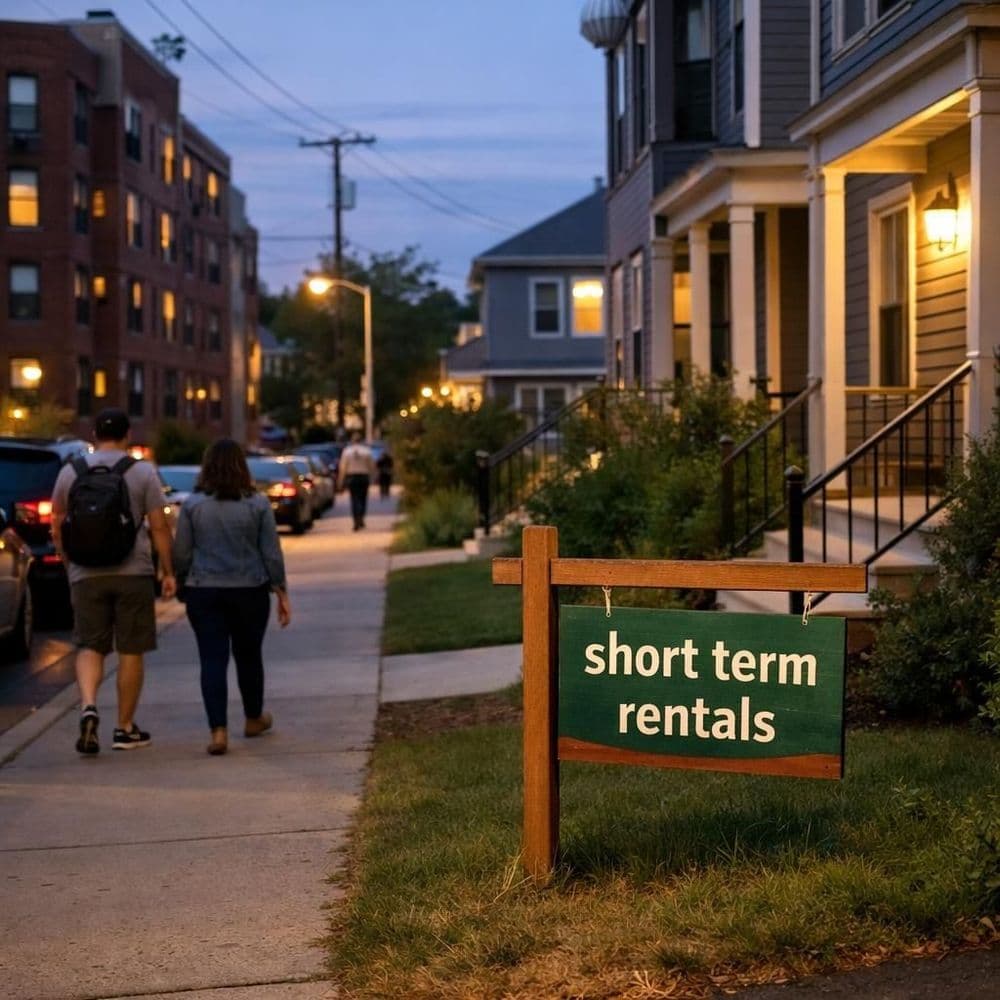
Over the past decade, short term rentals have gone from a niche side hustle to a mainstream housing use in many U.S. cities. In some tourist-heavy neighborhoods, a meaningful share of apartments and condos now cycle through visitors rather than local renters. Local officials, housing advocates, and neighbors are asking how that shift interacts with already-tight housing markets.
Research from several academic and policy groups finds that in markets with strong demand and limited new construction, an increase in full-time short term rentals can reduce the stock of long term rentals and put upward pressure on rents and home prices. The effect is generally modest at the metro level, but can be significant in specific neighborhoods where investor hosts concentrate units.
Cities are also responding to quality-of-life complaints: noise, parking, trash, and a sense that buildings or blocks have effectively turned into micro-hotels. That mix of affordability concerns and neighborhood disruption is driving a wave of new regulations focused on how, where, and by whom short term rentals can operate.
The new rulebook: common local restrictions
While every ordinance looks a little different, several patterns are emerging in local rules on short term rentals.
**Primary-residence rules.** Many cities now require that the host’s listing be their primary residence, often limiting how many days per year it can be rented when the host is not present. This effectively curbs large portfolios of investor-owned vacation rentals while still allowing owner-occupants to earn side income.
**Caps on non-owner-occupied units.** Some places set explicit caps on the number of licenses for properties that are not owner-occupied, or prohibit whole-unit rentals in certain zones. The goal is to keep a floor under the long term rental stock and prevent entire buildings from flipping to tourist use.
**Permits, registration, and fees.** Cities are increasingly requiring short term rentals to register, obtain permits, and pay fees or local lodging taxes. These systems make it easier to track the number and location of units, respond to complaints, and revoke the right to operate when rules are broken.
**Platform accountability.** A growing trend is to require booking platforms to verify that listings have valid permits and to remove those that do not. Some cities also require regular data-sharing so they can match listings with permits and tax records. This matters because enforcement against individual hosts alone has historically been difficult.
**Steeper fines and tougher enforcement.** New ordinances often pair rules with meaningful penalties: larger fines per day of violation, potential loss of licenses, and the ability to go after repeat offenders. The intent is to move non-compliance from a minor cost of doing business to a real deterrent.
What these rules mean for investors and small hosts
For professional short term rental operators and small investors, the new regulatory environment changes the risk-reward calculus. Business models built on several non-owner-occupied units in one city are especially exposed if that city adopts strict primary-residence rules or caps on licenses.
Even where full bans are unlikely, owners may face higher operating costs: permit fees, taxes, compliance staff, and the need to hire local managers who understand the rules. Returns that once looked attractive at high nightly rates can compress quickly if you must limit occupancy days, share revenue with a property manager, or maintain a costly buffer for future regulatory changes.
Financing is also affected. Lenders and appraisers are increasingly cautious about underwriting based on short term rental income alone, especially in jurisdictions with active policy debates. Investors who paid a premium for a unit because of its STR income potential may find resale values more closely tied to long term rents and owner-occupant demand.
Smaller, live-in hosts are not immune. Primary-residence requirements can still bring new paperwork, inspections, and taxes. At the same time, they can help level the playing field between casual hosts and large-scale operators who previously captured much of the revenue.
Impacts on renters and local housing markets
For renters and local residents, the intended benefit of stricter short term rental rules is more housing returning to the long term market and less disruption from high-turnover guests. When a building moves from dozens of nightly rentals back to annual leases, neighbors often report quieter hallways and more stable communities.
The research evidence on price and rent effects is still developing and varies city by city. In many places, the share of total housing stock used as full-time short term rentals is relatively small, so even a large percentage drop in listings might not dramatically move metro-wide rent indices. But in tightly supplied, high-demand neighborhoods, a few hundred units shifting back to long term use can matter for vacancy rates and local pricing.
Another key question is who benefits. Long term renters near tourist districts may gain more options and slightly better bargaining power. Hotel operators may see a modest lift in occupancy as some short term rentals exit. Owners who bought specifically for STR use, on the other hand, may see cash flow decline or face pressure to sell if they cannot pivot to longer leases or mid-term stays aimed at traveling workers and students.
How to underwrite deals in an era of stricter rules
If you are buying or holding property with any expectation of short term rental income, regulatory risk needs to be a core part of your underwriting. That starts with closely reading your city’s ordinance, zoning code, and permitting rules — not just platform FAQs.
Model at least three scenarios: unrestricted short term rental use under current rules, a tighter regime with primary-residence limits or caps, and a scenario where you must operate as a long term or mid-term rental. Stress-test cash flow under each, including higher taxes, permit fees, or required local management.
Investors with flexibility built into their strategy will be better positioned. That can mean choosing properties that also work as long term rentals, diversifying across markets with different regulatory profiles, or focusing on mid-term stays that fit within local definitions for longer leases.
Finally, recognize that rule-making is dynamic. City codes are being updated as officials learn what works and what does not. Staying engaged with local housing discussions, tracking proposed changes, and building conservative assumptions into your pro formas can help you avoid overpaying for an income stream that might not last.
Comments