
Blog
NYC’s ‘Rental Ripoff’ Hearings: What They Are, What They Can Change, and What to Watch
7 min read
January 7th, 2026
What the city ordered
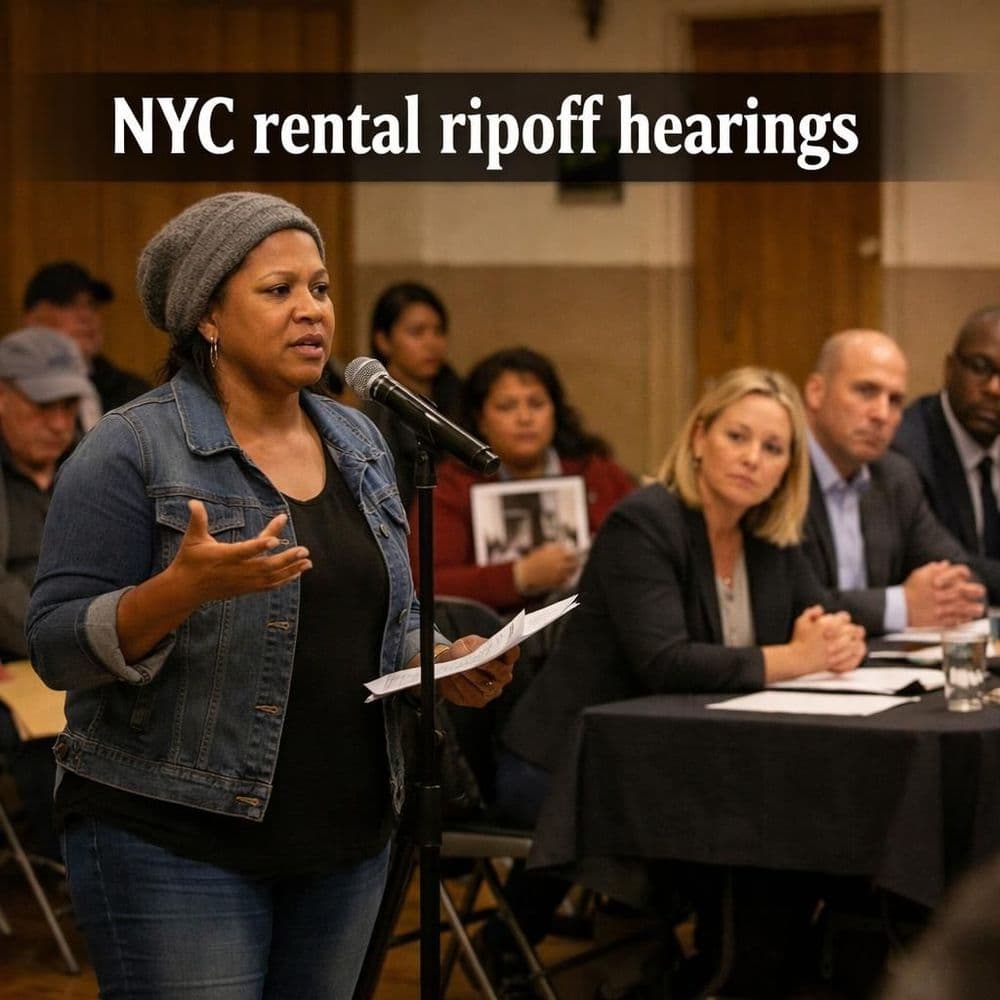
New York City is directing multiple agencies to hold “Rental Ripoff” hearings in all five boroughs within 100 days. The hearings are intended to gather testimony from tenants and other stakeholders about alleged illegal, deceptive, or abusive landlord practices, along with operational changes the city could make to strengthen housing and building code enforcement. [nyc.gov]
The city’s public materials describe a focus on issues tenants commonly report: poor or unsafe conditions, untimely repairs, repeat noncompliance, and concerns about hidden fees. [nyc.gov]
How testimony could translate into enforcement
A key operational promise is a post-hearing public report. The city says agencies will submit a joint summary after the final hearing describing common themes and proposing actions to address harmful practices through existing enforcement powers, improved coordination, consumer protection tools, and potential policy changes. [nyc.gov]
Separately, NYC announced a revitalized tenant-protection office intended to coordinate tenant-rights work and improve how agencies respond to unsafe or illegal conditions. [nyc.gov]
In practice, hearings can work like a “case-finding” funnel—surfacing patterns (building-by-building, owner-by-owner, or fee-by-fee) that agencies can prioritize for inspections, correction orders, and penalties.
Where critics say it could fall short
Some real-estate commentary argues the hearings risk becoming more about public shaming than measurable improvements in compliance, and questions whether the process will create faster remedies for habitability problems. [therealdeal.com]
That critique matters because renters and owners will judge success by follow-through: clearer escalation for repeat issues, shorter repair timelines, and transparent reporting that connects testimony to enforcement actions.
What renters, owners, and investors should do now
**For owners/operators:**
- Audit open work orders and recurring violations (heat/hot water, leaks, pests, mold, elevators, life safety).
- Review fee practices (application, payment processing, amenity, move-in) for clarity and consistency.
- Tighten response-time documentation: what gets reported, when it’s scheduled, and when it’s closed out.
**For renters/advocates:**
- Bring documentation: dated photos, written repair requests, and any notices related to fees or lease terms.
- Track outputs after the hearings—especially the city’s promised report and any stated timelines for follow-up.
**For investors/lenders:**
- Underwrite more conservatively for buildings with heavy violation histories: higher repair reserves and tighter assumptions on operating friction.
- Watch for any evolving disclosure and compliance expectations around fees and tenant communications.
What to watch next
The next signal will be whether the city publishes detailed, actionable outputs (not just narratives): targeted inspection programs, repeat-offender prioritization, and measurable service-level standards for correcting violations. [nyc.gov]
Comments