
Blog
How New Rent Caps, Fee Limits, and Pricing Rules Are Reshaping Life for Small Landlords
10 min read
December 22nd, 2025
A new wave of local rules aimed at rents and fees
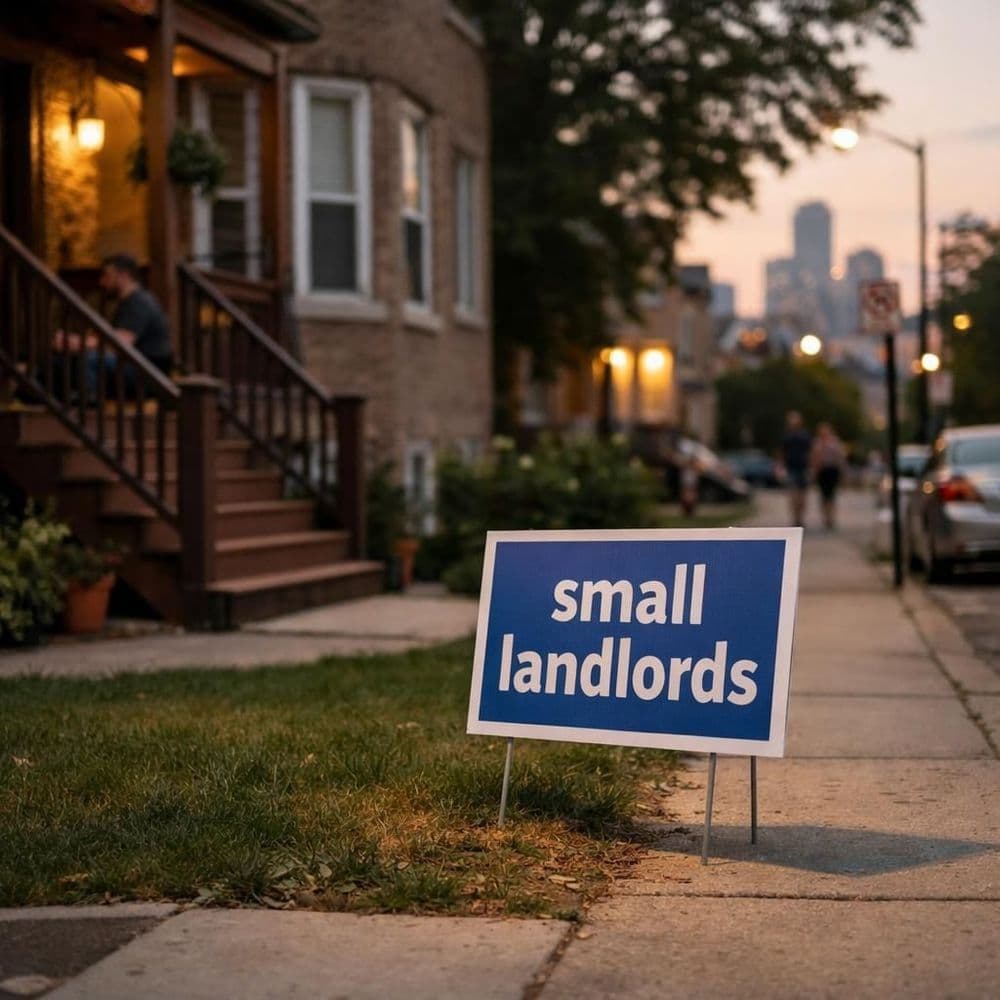
Across the country, cities and states are rewriting the rules of the rental market. New proposals and laws target not just how much landlords can raise rent, but also late fees, add-on charges, broker commissions, and even the software used to set prices. Small landlords, who often rely on a handful of units for income and have limited access to cheap capital, say they feel these shifts most acutely.
In many places, the stated goal is to give renters more predictability and rein in practices seen as opaque or unfair. Yet the same policies can compress margins for small owners, making them more cautious about upgrades, stricter in screening, or more inclined to sell to larger operators that can spread risk and compliance costs over bigger portfolios.
Rent caps from Massachusetts to Washington State
In Massachusetts, a proposed statewide rent-cap initiative would limit annual increases for most residential units to the lower of the Consumer Price Index or 5%, with base rents set as of January 31, 2026. The proposal would apply across municipalities if approved by voters, and landlord groups describe it as the most restrictive framework the state has considered so far [newbedfordlight.org]. Small owners argue that when insurance, utilities, and property taxes are rising faster than the cap, they have little room to absorb shocks such as vacancies, nonpayment, or large repairs.
On the other side of the country, Washington State has adopted a law capping most rent hikes at 10% per year through the end of 2025. Early enforcement actions have already resulted in fines and required refunds for landlords who exceeded the limit, signaling that regulators are serious about compliance [#10][#11]. For small landlords, the takeaway is that caps are not just symbolic: violating them can quickly erase months of income.
In both states, owners warn that tight caps may change investment decisions. Some say they will focus on keeping existing tenants who pay reliably rather than taking chances on higher-paying but less certain applicants. Others report holding back on costly upgrades that would normally justify higher rents, for fear they will not be able to recoup the investment under new rules.
Los Angeles: Lower rent hikes and the small-landlord exception debate
Los Angeles recently approved its first major reform of the city’s rent-control system in roughly four decades, lowering the maximum allowed annual increase for many tenants [#14]. At the same time, the city debated whether small landlords should be allowed to raise rents slightly more than large corporate owners, on the theory that a mom-and-pop with a few units has less capacity to absorb cost spikes than a large firm with hundreds of apartments [#3].
Supporters of stricter limits say lower caps are necessary after years of sharp rent growth and argue that most landlords have benefited from rising property values. Small owners counter that they face the same inflation in insurance, utilities, and maintenance as everyone else, but with far thinner buffers. Many rely on rental income to cover their own mortgages and retirement.
The small-landlord exception idea highlights an emerging tension: policymakers are trying to protect tenants without driving small owners out of the market or pushing them to sell to large investors. Yet drawing bright lines between "small" and "large" owners is complicated, and rules that treat categories differently can introduce new complexity for both enforcement and compliance.
San Diego and New York: Cracking down on fees and pricing tools
Beyond headline rent, regulators are increasingly focused on fees and pricing mechanisms. In San Diego, a city council committee advanced a proposal to limit the types of fees landlords can charge on top of monthly rent, targeting items like pet rent, parking, trash, and similar add-ons [#7]. Tenant groups say these charges can make a "cheap" unit much more expensive, while some landlords argue that fees allow them to keep base rent lower and charge only those tenants who use certain services.
The timing in San Diego is notable: local rents have softened, with average asking rents down modestly year over year even as they remain high by national standards [#2]. In a softer market, tighter fee rules may further limit small owners’ flexibility to offset higher operating costs without raising headline rents.
New York is also reshaping how rental costs are structured. Under the city’s FARE Act, most broker commissions in rental transactions will now be paid by whoever hired the broker, which in many cases means landlords rather than renters [#9][sandiegouniontribune.com]. For small owners, especially those who rely on brokers to fill units quickly, that shift can turn a one-time leasing cost into a more visible line item on their own budgets. Some may respond by handling more leasing in-house, negotiating lower commissions, or adjusting initial rents to cover the added expense.
Separately, New York State approved legislation banning landlords from using rent-setting algorithms that rely on private information to recommend pricing [#8]. That move builds on a broader national settlement limiting how large property owners and software providers can use aggregated, confidential data to coordinate rent decisions [npr.org]. While many small landlords never used these tools, the changes underscore a wider push for transparency in how rents are set — and signal that automated pricing is likely to face ongoing scrutiny.
D.C. and other cities: Unpaid rent, eviction backlogs, and new tenant laws
In Washington, D.C., a major rental-law package known as the RENTAL Act is being debated. Local reporting describes small landlords struggling with high levels of unpaid rent that accumulated during and after the pandemic, combined with lengthy legal processes to resolve serious lease violations [#9][#13]. Owner groups argue that if new rules further constrain their ability to address nonpayment or recover units, some will leave the business or avoid renting to applicants they perceive as higher risk.
At the same time, tenant advocates emphasize that stronger protections are needed to prevent displacement and unfair treatment. The resulting proposals touch on issues like notice periods, documentation requirements, and limits on certain fees or penalties. For small landlords who manage their own units, staying compliant may require more paperwork, clearer communication with tenants, and in some cases, hiring professional management or legal support.
These debates are not limited to D.C. Similar conversations are unfolding in cities with senior-focused rent caps, age-restricted communities, and local ordinances that prioritize stability for specific tenant groups [#16]. Where caps or protections are narrowly targeted, landlords sometimes respond by shifting units to groups not covered by the rules, or by tightening criteria for the protected category, which can blunt the intended effect.
What small landlords and renters can do now
For small landlords, the first step is information. Because the new wave of rules is highly local, owners should closely track ordinances, state laws, and enforcement actions in their specific markets. That includes understanding whether rent caps apply to their property type, what counts as a fee versus rent, and how notice and documentation rules work in practice.
Financially, many owners are revisiting reserve targets and capital plans. In a world of tighter caps and fee limits, it may be safer to budget more conservatively for repairs, vacancies, and legal costs. Some landlords are spreading risk by diversifying into markets with different regulatory frameworks, or by shifting from older, heavily regulated units into newer construction that may be exempt from certain caps.
Operationally, clear communication with tenants can reduce friction. Explaining how costs like insurance, property taxes, and utilities affect the budget can build support for moderate increases within legal limits. Offering small discounts for on-time payment, longer lease terms, or digital payments may help reduce arrears and turnover without relying on large late fees.
Renters, for their part, should look beyond the sticker price. Understanding which fees are allowed, when broker commissions are owed, whether algorithms are involved in pricing, and how local caps work can reveal leverage points in negotiation. In softer markets or when landlords face new compliance costs, tenants may have more room to ask for concessions like reduced fees, improved maintenance, or modest rent discounts in exchange for longer leases.
Ultimately, the balance between tenant protections and landlord sustainability will keep evolving. For small landlords, surviving this shift means treating regulation as a core part of the business model — not an afterthought. For renters, it means paying attention not just to how much rent is due today, but also to the rules that will shape what happens when costs, incomes, and local laws inevitably change again.
Comments